#233 — Luminol Fog Murder Mystery
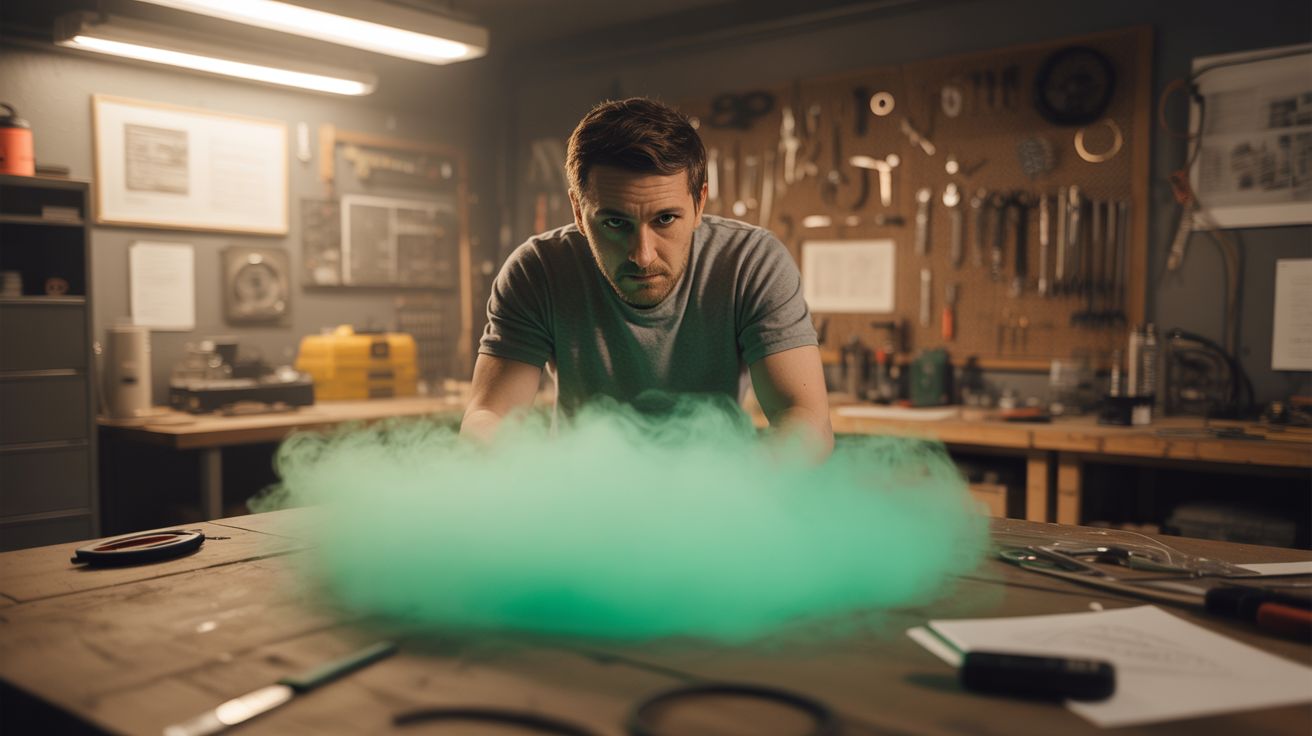
Luminol + fluorescein fog + UV blacklights = an immersive glowing-evidence room for escape rooms, Halloween, or just freaking out your friends.
Ratings





🧪 What Is It?
Luminol is the chemical forensic investigators spray at crime scenes — it reacts with the iron in hemoglobin and produces an eerie blue chemiluminescent glow in the dark, revealing blood that's been cleaned up or is invisible to the naked eye. Fluorescein is a different compound that glows vivid green under UV light and can be dissolved in water or fog fluid. Combine both in a darkened room: paint or spray luminol-reactive patterns on surfaces (using a hydrogen peroxide + iron solution as "blood"), fill the room with fluorescein-doped fog that glows green under UV blacklights, and invite people in with UV flashlights. The fog glows green around them. When they spray luminol on the walls and floor, hidden "evidence" — handprints, drag marks, splatter patterns — blooms into ghostly blue light. It's a full-sensory immersive experience: a glowing green fog-filled room where every surface might reveal a hidden secret when sprayed. Perfect for escape rooms, Halloween haunted houses, murder mystery parties, or just being the most extra host in history.
🧰 Ingredients
- Luminol powder (online, forensic/chemistry supplier, ~$15 for 10g)
- Hydrogen peroxide — 3% drugstore grade (pharmacy)
- Sodium hydroxide (lye) — for luminol activation solution (hardware store, drain cleaner section)
- Iron source — ferric chloride solution, or just use real rust water (steel wool soaked in vinegar) (hardware store or make)
- Fluorescein powder or liquid — sodium fluorescein (online, ~$8)
- Fog machine — standard Halloween fog machine (party store, ~$25, or salvage)
- Fog fluid — glycol/glycerin based (party store)
- UV blacklights — LED strip or flood type, 395nm (online or party store, ~$10-20)
- Spray bottles — for luminol solution and "blood" placement (dollar store)
- Dark room — a garage, basement, or room with all light blocked (existing)
- UV flashlights — one per participant (online, ~$5 each)
🔨 Build Steps
- Prepare the "blood" evidence. Make a fake blood solution: dissolve steel wool in white vinegar for 24 hours to create iron-rich rust water, or use a few drops of ferric chloride in water. This iron-containing solution is what the luminol reacts with. Paint it on walls, floors, and objects in your room — handprints, drag marks, drip trails, footprints. Let it dry completely. It will be invisible once dry, especially on dark surfaces.
- Set up the room. Black out all windows and light sources. The room needs to be completely dark for the luminol glow to be visible. Paint the walls dark if possible, or hang black plastic sheeting. Set up your "crime scene" props — a chalk outline, scattered objects, overturned furniture.
- Install UV blacklights. Mount UV LED strips or floodlights along the ceiling edges, aimed downward. These provide the ambient UV that makes the fluorescein fog glow. Don't turn them on yet — they're for the fog effect.
- Prepare the fluorescein fog fluid. Dissolve a pinch of fluorescein powder (less than 1 gram) in your fog machine fluid. Fluorescein is incredibly potent — a tiny amount turns the entire bottle vivid green. Test a small batch first. When the fog machine runs, the fog will glow brilliant green under the UV blacklights.
- Mix the luminol spray. Dissolve 0.5g of luminol powder in 500mL of distilled water. Add 5g of sodium hydroxide (lye) and stir until dissolved. This is the luminol base solution. Just before use, add 10mL of 3% hydrogen peroxide. The mixed solution is active for about 30 minutes — mix it right before showtime. Load it into spray bottles.
- Test the luminol reaction. In the dark, spray the luminol solution onto one of your "blood" evidence marks. It should glow bright blue for 15-30 seconds where it contacts the iron residue. If the glow is weak, add more hydrogen peroxide to the spray. If there's no glow, your iron source isn't concentrated enough — use more ferric chloride.
- Run the experience. Turn on the UV blacklights. Turn on the fog machine. The room fills with eerie, glowing green fog. Hand each participant a UV flashlight and a spray bottle of luminol solution. Brief them: "Someone was here. Find the evidence." As they spray surfaces, hidden blood evidence glows blue through the green fog. The visual layering — green fog + blue luminol flashes — is otherworldly.
- Reset between groups. The luminol reaction consumes the iron, so each evidence mark can only be revealed once. For repeat performances, re-apply the iron solution to the evidence marks between groups. Mix fresh luminol solution every 30 minutes as the hydrogen peroxide depletes.
⚠️ Safety Notes
- Sodium hydroxide (lye) is caustic and causes chemical burns on contact with skin and eyes. Wear gloves and safety glasses when mixing the luminol solution. If participants will be spraying luminol, use a dilute solution and brief them to avoid spraying faces. Have water available for immediate rinsing if contact occurs.
- Fluorescein is generally non-toxic and is used in medical eye exams, but it stains everything it touches a vivid yellow-green. Use it in a room where staining doesn't matter, or protect surfaces with plastic sheeting. Participants' clothes may get fluorescein-stained from the fog — warn them to wear old clothes.
- The fog machine produces glycol/glycerin vapor that can irritate lungs in enclosed spaces. Ensure minimum ventilation — a cracked door or window with a fan. People with asthma should be warned about fog density before entering.