#157 — Anodizing Setup
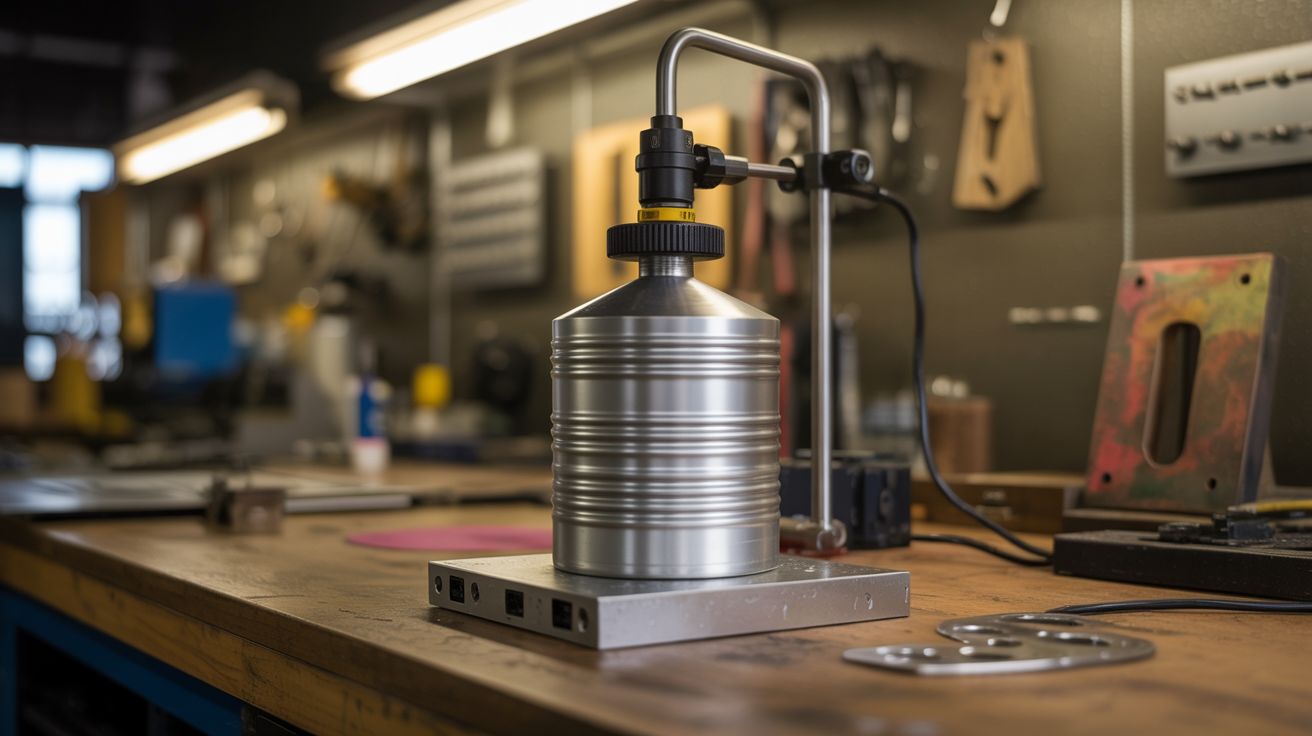
Sulfuric acid + DC power + aluminum + fabric dye — create colored anodized aluminum with a professional factory finish.
Ratings




🧪 What Is It?
Anodizing is the process that gives aluminum its colored, scratch-resistant finish — the colors on MacBooks, flashlights, bike parts, and cookware. Unlike plating (which adds metal), anodizing grows a porous aluminum oxide layer on the surface. This porous layer absorbs fabric dye, locking in vivid color. Then a boiling water seal closes the pores permanently. The result is a hard, colored surface that's part of the metal itself — it can't peel or chip like paint. The process requires sulfuric acid (battery acid) and DC power, making it more intense than electroplating, but the results are genuinely professional-grade.
🧰 Ingredients
- Sulfuric acid — battery acid, 30-35% concentration (auto parts store)
- Lead sheet or lead-free cathode — for the cathode (online, plumbing supply)
- DC power supply — adjustable, capable of 12-18V at 2-5A (electronics supplier)
- Aluminum parts — the objects to anodize, must be aluminum alloy (hardware store, machined parts)
- Fabric dye — Rit DyeMore or similar, various colors (craft store)
- Lye (sodium hydroxide) — for the pre-etch cleaning step (hardware store)
- Distilled water (grocery store)
- Plastic tubs — acid-resistant, one for each step (dollar store)
- Acid-resistant gloves and face shield (hardware store)
- Titanium or aluminum wire — for hanging parts (online)
🔨 Build Steps
- Clean the aluminum. Degrease the parts with acetone or dish soap. Then etch in a dilute lye solution (1 tablespoon per quart of water) for 3-5 minutes. This removes the natural oxide layer and creates a uniform matte surface. Rinse thoroughly.
- Prepare the acid bath. In a plastic tub, mix sulfuric acid with distilled water to achieve roughly 15% concentration. ALWAYS ADD ACID TO WATER, never water to acid — the reaction is exothermic and adding water to concentrated acid can cause a violent boil-over.
- Set up the cathode. Suspend a lead sheet or aluminum cathode in the acid bath. This is the positive electrode. The cathode should have surface area at least equal to the parts being anodized.
- Hang the parts. Suspend the aluminum parts in the acid bath using titanium or aluminum wire (not copper or steel — they contaminate the process). The parts connect to the positive terminal, the cathode to the negative. Wait — anodizing is REVERSED from plating: the PART is the anode (positive).
- Anodize. Apply 12-18V DC. Current density should be about 12 amps per square foot of part surface. The process takes 45-90 minutes. Bubbles form on the cathode (hydrogen) and the part surface becomes uniformly matte as the oxide layer grows.
- Rinse. Remove the parts and rinse thoroughly in distilled water. The oxide layer is now porous and ready to absorb dye. Work quickly — the pores start to close over time.
- Dye the parts. Prepare a dye bath with fabric dye in hot water (140°F). Submerge the anodized parts for 10-30 minutes. The porous oxide absorbs the dye. Deeper color = longer soak. Remove and rinse when the desired color is reached.
- Seal the finish. Boil the dyed parts in distilled water for 30 minutes. The boiling water hydrates the aluminum oxide, swelling it shut and permanently locking in the dye. After sealing, the color is permanent and scratch-resistant.
- Polish (optional). The sealed surface can be buffed with a polishing compound for additional gloss. The finish will match or exceed commercial anodized products.
⚠️ Safety Notes
Spicy Level 4 build. Read the Safety Guide and Chemical Safety, Fire & Pyro Safety, High Voltage Safety before starting.
- Sulfuric acid causes severe chemical burns on contact with skin and eyes, and destroys clothing instantly. Wear acid-resistant gloves, a face shield, and old clothes. Have a neutralizing agent (baking soda) and running water nearby at all times. Work outdoors or in a well-ventilated area.
- ALWAYS add acid to water, never water to acid. Adding water to concentrated sulfuric acid causes an exothermic reaction that can splash boiling acid.
- The anodizing process produces hydrogen gas at the cathode. Hydrogen is flammable and explosive when concentrated. Ensure excellent ventilation and keep all ignition sources away from the bath.