#163 — pH Reactive Paint
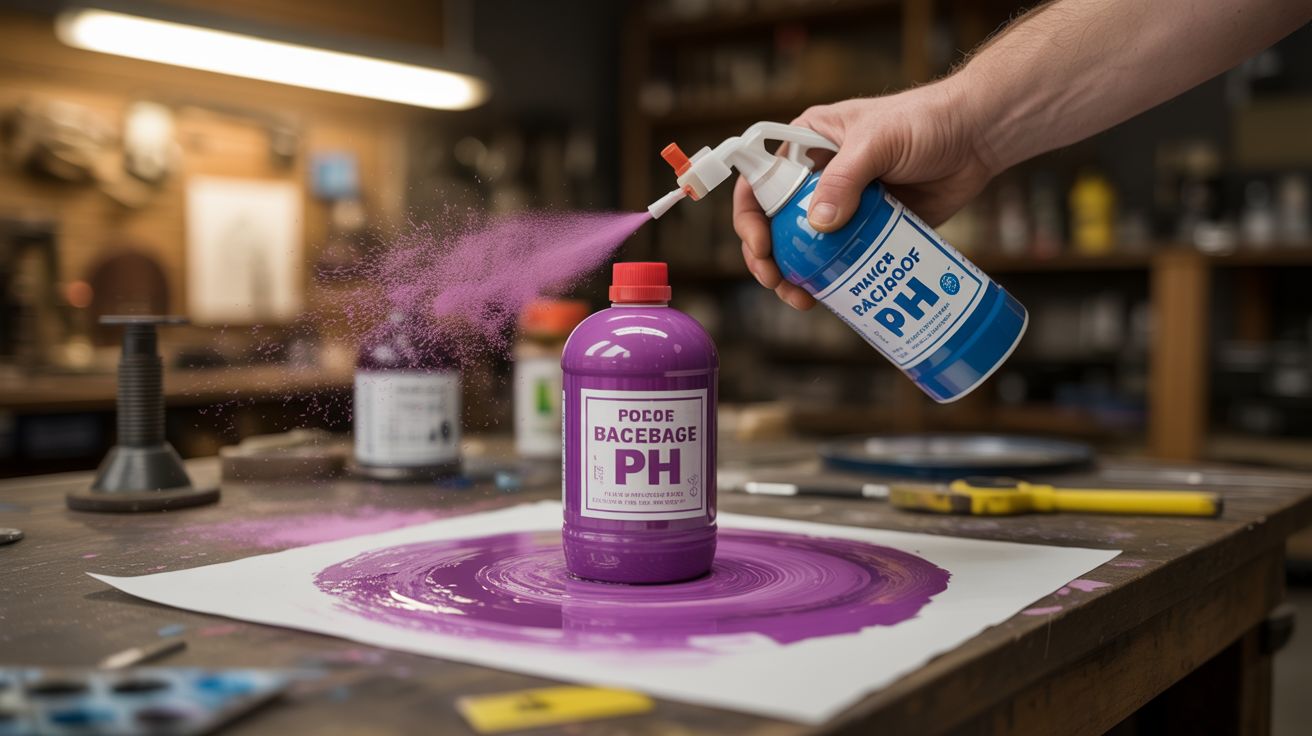
Red cabbage juice is a natural pH indicator — paint with it, then spray vinegar for pink or baking soda for blue. Invisible art revealed by chemistry.
Ratings



🧪 What Is It?
Red cabbage contains anthocyanin, a natural pigment that changes color based on pH. It's bright pink in acid, purple at neutral, blue-green in mild base, and yellow in strong base. Boil red cabbage, strain the juice, and you have a natural pH-indicating paint. Paint a picture, message, or design on paper or fabric. The dried paint is barely visible — a faint purplish tint. Now spray the surface with vinegar (acid) and the paint turns vivid pink. Spray with baking soda solution (base) and it turns blue-green. The same painting displays completely different colors depending on what you spray on it. It's invisible ink meets interactive art, powered by nothing but kitchen chemistry.
🧰 Ingredients
- Red cabbage — one head (grocery store)
- White vinegar — the acid activator (grocery store)
- Baking soda — the base activator (grocery store)
- Spray bottles — one per activator (dollar store)
- Watercolor paper or white cotton fabric — the canvas (art supply)
- Paint brushes (art supply)
- Pot for boiling (kitchen)
- Strainer (kitchen)
🔨 Build Steps
- Extract the indicator. Chop a red cabbage into chunks and boil in water for 20-30 minutes until the water turns deep purple. Strain out the cabbage pieces. The purple liquid is your pH-indicator paint. Let it cool.
- Prepare the activator sprays. Fill one spray bottle with white vinegar (acid activator). Fill another with a baking soda solution (2 tablespoons per cup of water — base activator). Label them clearly.
- Paint your design. Using brushes, paint with the cabbage juice on watercolor paper or white fabric. The wet paint is purple but dries to a very faint, nearly invisible purple tint. Paint boldly — the design should be easy to see when activated.
- Let it dry completely. Dry the painting thoroughly. Use a hair dryer to speed this up. The indicator needs to be dry before activation, otherwise the activator solutions dilute and blur the image.
- Activate with acid. Spray the vinegar activator across the painting. Wherever the cabbage juice paint is, it turns vivid pink/red instantly. The unpainted areas are unaffected. The hidden design is revealed in pink.
- Neutralize and re-activate. Let the vinegar dry or blot it. Now spray the baking soda activator over the same painting. The pink areas shift through purple to blue to blue-green. The same design now appears in a completely different color.
- Create layered reveals. Paint different parts of the design at different concentrations. Thin paint reacts differently than thick paint, creating depth and tonal variation when activated. Multiple layers create watercolor-like effects.
- Interactive art installation. Mount the paintings on a wall with spray bottles for viewers to activate them themselves. Each person's spray pattern reveals the art differently. The paintings can be re-activated repeatedly.
⚠️ Safety Notes
- All materials (cabbage juice, vinegar, baking soda) are non-toxic and food-safe. This is one of the safest chemistry experiments possible. However, cabbage juice stains can be persistent on clothing and surfaces.
- Vinegar and baking soda are individually harmless, but mixing them in large quantities in a sealed container produces CO2 gas and pressure. Keep them in separate, labeled spray bottles. Never mix in a sealed vessel.
- Red cabbage juice spoils after a few days at room temperature. Store unused juice in the refrigerator (lasts 1-2 weeks) or freeze in ice cube trays for long-term storage.