#020 — Fresnel Lens Solar Forge
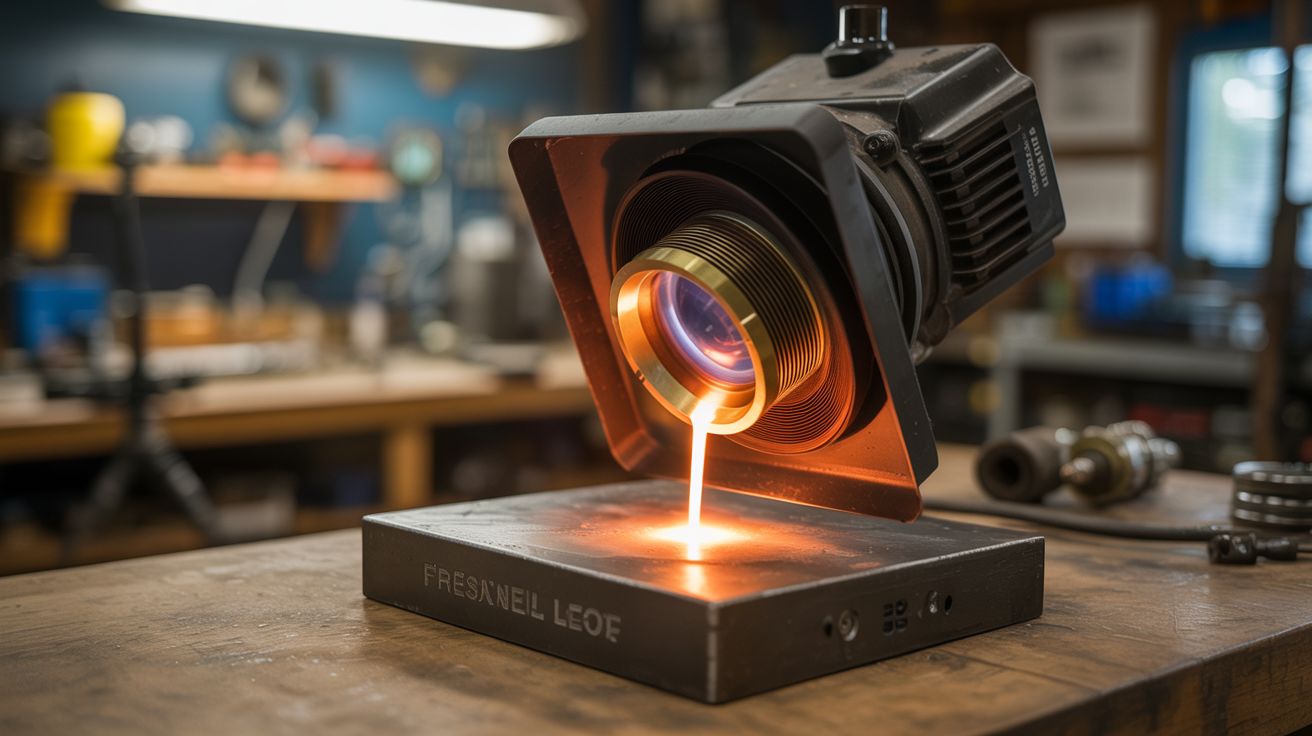
A Fresnel lens from a rear-projection TV focuses sunlight into a spot hot enough to melt metal — the sun becomes your welding torch.
Ratings






🧪 What Is It?
Rear-projection TVs contain a large Fresnel lens — a flat plastic lens with concentric ridges that acts like a giant magnifying glass. These TVs are constantly being thrown away and the lens inside is one of the most powerful solar concentrators you'll ever find for free. A typical RPTV Fresnel lens is about 40x30 inches, and when aimed at the sun, it focuses sunlight into a focal point that easily exceeds 3,000degF (1,650degC) — hot enough to melt aluminum, copper, glass, and even steel.
The focal point is a blinding white spot about the size of a dime that can set wood on fire in under a second, melt a penny in 10 seconds, and reduce rocks to glowing lava. It's essentially free solar energy concentrated to forge-level temperatures with no fuel, no electricity, and no moving parts.
🧰 Ingredients
- Fresnel lens from a rear-projection TV (source: RPTV from curb, electronics recycler, or Craigslist free section — the lens is the clear sheet in front of the screen)
- Wooden or metal frame to hold the lens upright (source: scrap lumber, ~$5-10)
- Fire bricks for a work surface (source: hardware store, ~$5)
- Welding goggles — shade 10 or darker (source: hardware store, ~$8)
- Leather gloves and long sleeves (source: hardware store)
- Target materials — pennies, aluminum cans, glass bottles, rocks (source: around the house, free)
- Crucible or fire-safe container for melting metal (source: steel cup or repurposed fire extinguisher, ~$3)
- Tongs for handling hot items (source: hardware store, ~$5)
🔨 Build Steps
-
Salvage the Fresnel lens. Open the front panel of a rear-projection TV. The Fresnel lens is the large, clear, flexible plastic sheet immediately behind the screen surface. There may be two sheets — you want the one with concentric ridges (the Fresnel lens), not the flat lenticular sheet. Handle carefully — it scratches easily and scratches reduce focal quality.
-
Build a frame. Construct a simple frame from 2x4 lumber that holds the Fresnel lens vertically, facing the sun. The frame needs to be sturdy enough to resist wind (the lens acts as a sail). Add a brace or foot so it stands freely. The lens should be adjustable in angle to track the sun.
-
Find the focal point. On a sunny day, aim the lens at the sun and move a fire brick behind it until you find the focal point — the smallest, brightest spot. For most RPTV Fresnel lenses, this is 30-50 inches behind the lens. Mark this distance. The focal point should be an intense white spot. WARNING: Do not look directly at the focal point without welding goggles.
-
Set up the work area. Place fire bricks at the focal distance behind the lens. This is your forge surface. Clear everything flammable from the area — the focal point will ignite paper, leaves, and dry grass instantly. Have a bucket of water or sand nearby.
-
Test with expendable materials. Start with a piece of wood — it should begin smoking within 1-2 seconds and burst into flame within 5. Move to a penny — it will glow red, then orange, then melt into a liquid puddle in about 10-15 seconds. This is when it really sinks in what you're dealing with.
-
Melt aluminum. Place crushed aluminum cans in a small steel crucible on the fire bricks at the focal point. Aim the lens so the focal spot hits the crucible. The aluminum will melt in 2-3 minutes. You can pour it into sand molds just like with the desktop foundry — but with no fuel cost.
-
Experiment with materials. Try glass (it melts and flows like lava), rocks (some glow brilliantly and partially melt), steel (glows white-hot and eventually melts if you hold the focal point on it long enough), and ceramic (often cracks dramatically from thermal shock). Each material responds differently.
⚠️ Safety Notes
Spicy Level 5 build. Read the Safety Guide before starting.
[!CAUTION] The focal point will blind you permanently and instantly. The concentrated sunlight at the focal point is thousands of times brighter than direct sun. NEVER look at the focal spot without welding goggles (shade 10+). Regular sunglasses are completely insufficient. Reflections off shiny targets can also cause eye damage — wear the goggles the entire time the lens is aimed at the sun.
- Everything at the focal point is on fire. The spot will ignite any organic material in seconds. Work on bare dirt or concrete. Have fire suppression ready. Be aware that the focal point moves as the sun moves — if you walk away for 10 minutes, the spot may have drifted onto the frame or nearby objects.
- UV exposure. The concentrated light includes UV. Even standing near the focal area, your skin will sunburn fast. Wear long sleeves, gloves, and a hat. Treat this like spending a day at the beach — except the "beach" has a 3,000-degree spot.
🔗 See Also
- Desktop Foundry — melt aluminum with charcoal when the sun isn't cooperating
- Thermic Lance — another way to reach metal-melting temperatures from simple materials